
Vascular Surgery Doctor in Jaipur
Vascular Surgery Doctor in Jaipur — Complete Guide to Vascular Care & Treatments
If blood flow becomes irregular or impaired due to blockage, constriction, weakening, or irregular blood flow, the effects are more than just isolated to one area. Vascular problems can sneak up on a body and manifest in months to see their effects in the pain in the legs when walking, swelling, areas that won’t heal, discoloration, varicose veins, tingling in the feet, or even emergency complaints involving a pulmonary embolism or blood clots in the deep veins in the body, known as a pulmonary embolism or deep vein thrombosis or DVT. All these are often passed off as symptoms of “aging” or fatigue or just an occasional orthopedic issue and go untreated for months to years until their more serious manifestations occur.
If you are searching for a Vascular Surgery Doctor in Jaipur or a Best Vascular Surgeon in Jaipur, you are most likely searching for diagnosis and treatment that is safe, effective, and current. Modern care available today is no longer limited to open Vascular Surgery. There are now conditions that can now be treated with image-guided minimally invasive techniques, resulting to reduced pain, shorter recovery times, and faster return to active lifestyles. This is the reason why most patients are now looking for a vascular specialist with expertise in vascular-level surgical decision making and overall competency in endovascular or minimally invasive techniques and technologies.
Dr. Rakesh Kumawat is a reliable vascular specialist for patients looking for the latest advanced minimally invasive vascular surgery. While the phrase “vascular surgeon” is often used by patients to describe anyone treating vascular disease, modern vascular care also includes Vascular & Interventional Radiology, which provides catheter-based treatments without large cuts. For many conditions, these image-guided treatments are now the first choice where clinically appropriate.
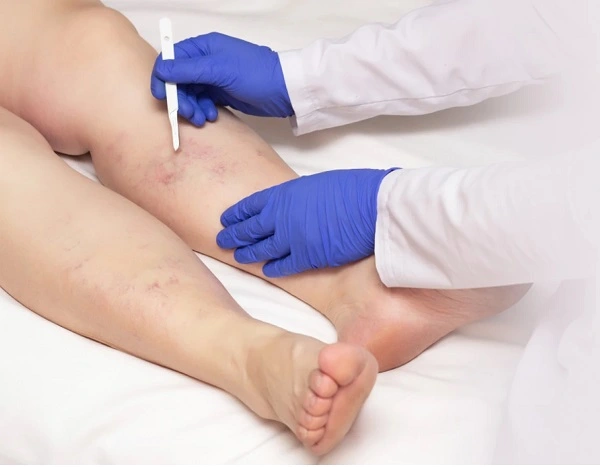
Understanding Vascular Disease: Why Vascular Care Matters
Vascular health plays a vital role in the overall functioning of the body. The circulatory system works in a balanced manner, where arteries carry oxygen-rich blood from the heart to various organs and tissues, veins return blood back to the heart, and the lymphatic system helps maintain proper fluid balance. When any part of this system is affected, problems can arise that disrupt normal blood flow. Certain vascular conditions can reduce blood supply to the legs or vital organs, leading to a range of health concerns if not addressed in time.
Vascular problems may not always appear serious in the early stages. Initial signs such as mild swelling, discomfort, pain, or visible veins are often overlooked. However, underlying circulation issues may already be progressing internally. Poor blood flow can slow down healing, making even small wounds take longer to recover. Blocked veins or malfunctioning valves can increase swelling and cause the skin to become thin, fragile, and more prone to injury.
If left untreated, advanced vascular disease can lead to severe pain, numbness, chronic wounds, and the formation of ulcers. In extreme cases, prolonged circulation problems can threaten limb health and overall mobility. This is why vascular care is essential—not only to manage symptoms but also to address circulation issues at their root. Proper vascular treatment helps restore healthy blood flow, prevents long-term complications, and supports an active, pain-free life over the long term.
How do you know when you should consult a vascular surgery specialist in Jaipur, India?
Many people come late because they ignore early signs. If you identify any of these symptoms, it is a leading prompt to consult a vascular specialist. Pain in the leg when walking that subsides at rest is a hallmark symptom of diminished arterial flow. Cold, numb, tingling, or stockinged sensation in the feet can also indicate circulation problems. Non-healing wounds on the foot, particularly in diabetic patients, should never be ignored.
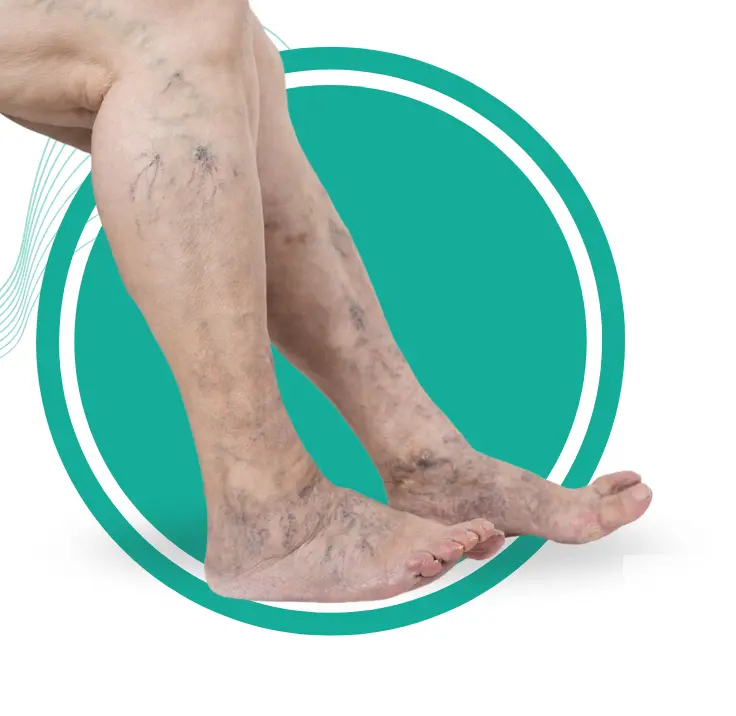
Swelling of one leg, calf pain, or redness may indicate a deep vein thrombosis (DVT). Varicose veins that are visible and feel heavy, itchy, or swollen, or that lead to changes in skin color, are important warning signs. Legs that continue to swell and worsen by the end of the day may suggest venous disease. Darkening of skin around the ankle or brown patches that resemble eczema are also signs of circulation issues. A slow-healing or recurring wound around the ankle, known as a venous ulcer, indicates advanced disease.
A throbbing lump in the belly or groin may indicate an aneurysm. Severe pain in the leg with sudden color change, coldness, or weakness is an emergency circulation issue and requires immediate medical attention. These are not symptoms to “wait and watch” for too long. In vascular conditions, early diagnosis often saves time, cost, and prevents disease progression.
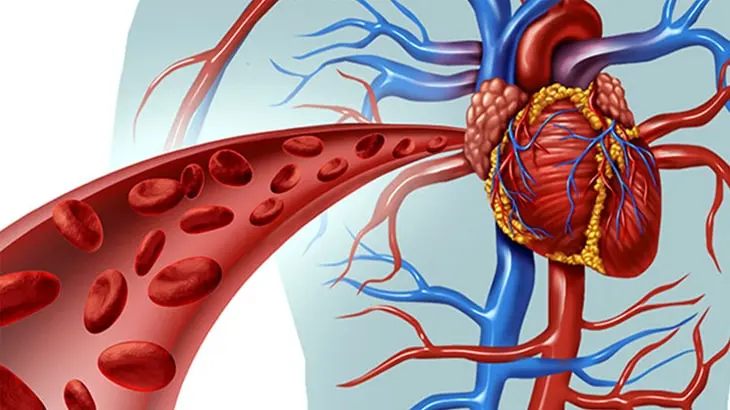
What a Vascular Specialist Can Treat
The kind of conditions that an average vascular surgery specialist in Jaipur treats includes a wide range of arterial and venous disorders. Many people often look for the services of a “vascular surgeon” even when searching for treatment related to circulation problems, leg pain, swelling, or visible veins. A vascular specialist evaluates the underlying cause and offers appropriate medical or minimally invasive treatment options.
Varicose veins and venous insufficiency are among the most common conditions treated. This group includes swollen veins, a sensation of heaviness in the legs, leg swelling, skin changes, itching, clamping or cramping of the leg or foot, and venous ulcers. Modern treatment options available for these conditions include laser treatment (EVLT), radiofrequency ablation (RFA), glue injections, and sclerotherapy, depending on the severity and Doppler findings.
Peripheral artery disease (PAD) is another major condition managed by vascular specialists. With the buildup of cholesterol plaques inside the leg arteries, blood flow becomes reduced, leading to claudication or leg pain during walking. Patients may also experience cold limbs, poor-healing wounds, and in advanced cases, life-threatening gangrene. Eligible patients may benefit from endovascular treatments such as angioplasty and stenting to restore blood flow.
Diabetic foot circulation problems are also commonly addressed. Diabetes can damage both blood vessels and nerves, causing injuries that may go unnoticed. Reduced blood flow can further delay healing and increase the risk of infection. In such cases, vascular assessment becomes essential to evaluate circulation and guide appropriate treatment.
Deep vein thrombosis (DVT) is another serious condition treated by vascular specialists. DVT usually appears suddenly with pain, swelling, and redness around the affected area. Based on how advanced the clot is and how severe the symptoms are, treatment may involve medications and, in selected cases, additional interventional procedures.
Arteriovenous malformations (AVMs) involve abnormal connections between arteries and veins. These abnormal vessel patterns can cause swelling, pain, bleeding, or cosmetic concerns. Embolization is often the primary treatment option when intervention is required.
Aneurysms and vascular narrowing are also managed by vascular specialists. An aneurysm is a balloon-like dilation of an artery that can become life-threatening as it enlarges. Narrowing of major blood vessels can significantly reduce blood flow to organs or limbs, requiring careful monitoring and treatment.
Dialysis access and vascular care form an important part of vascular practice. Patients with kidney failure often require a reliable vascular access for dialysis. This involves creating, maintaining, or correcting blood flow through the access to ensure effective long-term dialysis treatment.
Embolization procedures are widely used in vascular and interventional care for bleeding control and management of tumor blood supply. Embolization helps prevent excessive bleeding or blocks blood flow to specific tissues when medically indicated, making it a valuable minimally invasive treatment option.
How Diagnosis of Vascular Disorders Vascular disorders
One of the most common mistakes in vascular diseases is symptomatic treatment without identifying the reasons.
A good vascular examination should involve:
* Clinical history, including symptom analysis (when pain began, precipitating factors, relieving factors)
– Physical examination, pulse examination, swelling examination, and cutaneous alterations
– Doppler ultrasound of veins and arteries (this is the most important non-invasive examination)
– Ankle-Brachial Index in some instances of Peripheral Artery Disease, in order to assess circulation within
the legs.
“- CT angiography or MR angiography in cases requiring detailed vascular mapping.” – Blood work and risk factors (diabetes control, cholesterol levels, and kidney function) For varicose veins, the gold standard is still the Venous Doppler. For PAD, Arterial Doppler and angiography mapping help plan treatment. Good diagnosis ensures the right procedure is chosen and recurrence risk stays low.
Modern Vascular Treatments in Jaipur
Jaipur today encompasses vascular care in which open surgery skills are combined with endovascular procedures via a catheter. A proper diagnosis opens the way to selecting the appropriate surgery and ensuring a low risk of recurrence. Based on the type of vascular problem, how serious this problem is, and patient anatomy, procedures may include endovascular approaches via a puncture done with imaging: vascular care in which open surgery skills are combined with endovascular procedures via a catheter.
– Angioplasty (Balloon Dilatation) to widen blocked arteries
– Stenting of arteries to keep them open if needed
– Endovenous Laser Treatment (EVLT) for Varicose Veins
– Radiofrequency Ablation (RFA) for varicose
• Glue therapy to close refluxing veins without heat
• Sclerotherapy for smaller surface veins
.• Embolization for AVMs or targeted vascular control
•Thrombolysis or thrombectomy can be employed in selected clotting situations, depending on the case.
Traditional Surgical Treatments
When conventional surgery is already on the table, a few options arise in the more advanced situations:
– Bypass surgery for major arterial blockages
– Open repair for specific aneurysms
– Specialized, but in some cases rare, surgeries for varicose veins if non-invasive internal remedies are not feasible
– Debridement for injuries and limb salvage for severe diabetic foot disease, usually for re-establishing blood flow
“The general idea,” wrote the surgeon, “is a simple one: there is no ‘best treatment.’ The best treatment is the one which matches the exact diagnosis, the patient’s particular anatomy, the patient’s individual constitution, and provides a safe, long-term solution.”
Why Many Patients Prefer Minimally Invasive Vascular Treatment
these interventions have greatly changed the patient experience, making the procedures less invasive, with shorter recovery times, while still being effective. Many people prefer them because: They avoid large cuts and stitches They usually have shorter hospital stays Recovery is faster in many cases Pain is typically less than open surgery They allow earlier return to routine activities They can be repeated or combined if needed for complex disease When performed by an experienced vascular specialist, these procedures can deliver excellent results and improve quality of life significantly. Dr. Rakesh Kumar Kumawat is known to be highly credible in the instance of modern vascular treatment as well as minimal-invasive therapies in Jaipur. In many cases, he has been labeled as one of the Best Interventional Radiologists in Jaipur.
What are the reasons to opt for Dr. Kumawat’s treatment in Jaipur?
Firstly, Dr. Kumawat prioritizes accurate diagnosis and carefully considers a treatment plan in view of Doppler studies. In doing so, his aim is to address the underlying cause, whether it’s venous reflux in the instance of varicose veins, arterial blockage in PAD, or irregular vascular patterns. Patients commonly seek his care for: It includes non-surgical treatments for Varicose Veins (laser, RF/ablation, glue, sclerotherapy), as well as the evaluation of arterial circulation and endovascular procedures when indicated. It further includes embolization for targeted vessel management and advanced minimally invasive procedures intended to expedite recovery. Dr. Rakesh Kumar Kumawat’s patient care process is pragmatic and organized: clear consultations, accurate diagnoses, straightforward explanations, and recovery as per regular life schedules. This is why patients seeking the Vascular Surgery Doctor in Jaipur come to Dr. Rakesh Kumawat for innovative Vascular Solutions.
Tips for finding the right Vascular Surgeon in Jaipur
Does he or she employ Doppler studies or imaging for diagnosis of the condition?
Are both conventional and modern minimally invasive modalities available for treatment?
Are expectations and concepts well communicated? Is there a clear plan for follow-up?
Are causes pursued rather than symptoms and cosmetics?
What usually characterizes a good vascular surgeon would be one that provides safer and more stable outcomes.
Frequently Asked Questions – Vascular Surgery Doctor in Jaipur
1) What is the specialization of a vascular surgeon?
“A vascular specialist would deal with conditions such as varicose veins, peripheral arterial disease or PAD, problems with leg circulation in a diabetic, deep vein thrombosis or DVT, aneurysms, and vascular malformations,” says Dr. Khattab.
2) What is the best test for varicose veins?
A venous Doppler study (duplex scan) is the definitive test in making a reflux map.
3) PAD stands for Pleasure, Activity, and Dominance.
PAD theory attempts Peripheral artery disease refers to the narrowing of the arteries supplying the legs, thus bringing about symptoms such as pain in the legs when walking, cold feet, numbness, and delayed healing of cuts.
4) Is it possible to solve vascular issues without surgery?
Yes. A great many conditions can now be treated using minimally invasive vascular procedures like angioplasties, stenting, lasers/RFA, glue therapy, or embolization if indicated.
5) When does vascular disease become an emergency?
Watch for sudden pain in the leg along with coldness, color change, or weakness in the leg; sudden swelling in one leg plus pain; or uncontrolled bleeding.
6) Who is the leading vascular surgicnal in Jaipur?
Patients looking to stay abreast of the latest in vascular care often go to Dr. Rakesh Kumar Kumawat, known to be the leading interventional radiologist in Jaipur’s minimally invasive vascular care.
7) Are varicose veins dangerous?
Otherwise, if left untreated, these infections can result in severe cases, which can present as swelling, skin changes, ulcers, and inflammation of the veins.
8) Can diabetic feet heal in the absence of vascular intervention?
If there is poor circulation, wounds take longer to heal. It may be necessary to have a vascular assessment and work on improving the circulation in order to heal properly. 9) What is an angioplast Angioplasty is a procedure in which a balloon, and sometimes a stent, is used to open the blocked artery and improve the blood flow through it.
10) What is embolization in vascular care?
Embolization is a type of catheterization procedure wherein certain affected blood vessels are blocked to control bleeding or treat vascular malformation in appropriate cases. Embolization procedures can be done in a variety of ways