
Uterine Fibroid Embolization (UFE) Doctor in Jaipur
Uterine Fibroid Embolization (UFE) in Jaipur: Complete Guide by Dr. Rakesh Kumar Kumawat: Having fibroids can quietly suck the energy and confidence right out of you. Symptoms such as heavy menses, pelvic pain, and pressure in the lower abdomen, urination, back pain, and discomfort with ordinary activities can become the norm, until they interfere with your employment, personal relationships, travel, and general well-being. The bright side is that a lot of women in today’s world can forgo traditional surgery in favor of a less invasive alternative called Uterine Fibroid Embolization, also known as Uterine Artery Embolization.
If you are looking for a “Uterine Fibroid Embolization Doctor in Jaipur” you would want a doctor with knowledge of fibroids as well as the expertise of image-guided procedures. Dr. Rakesh Kumar Kumawat brings you the best in UFE treatment for the precise goal of reducing the size of the fibroids and enabling the patient to lead a normal life with rapid recovery without removing the uterus.
Uterine Fibroid Embolization Doctor in Jaipur
In the matter of UFE, experience counts. The procedure involves a Vascular & Interventional Radiologist performing the task using sophisticated imagery to accurately target and treat the uterine arteries. This accuracy is the essence of UFE, since the aim involves cutting off the blood supply nourishing the fibroids and sparing the rest of the uterus.
Dr. Rakesh Kumar Kumawat is the Best Uterine Fibroid Embolization Doctor in Jaipur for women who require an alternative to surgery to remove fibroids. As an interventional radiologist, Dr. Rakesh specializes in providing minimally invasive alternatives to surgery that result in quicker recovery times.
In Jaipur, the increasing demand for UFE procedures is being driven by the combination of science, precision imaging, and painlessly caring for the patient. ‘The process of evaluation is comprehensive, planning is individualized, and the follow-up is structured – so the patient feels assured from the time of consultation through to the time of recovery.
If you are seeking a Uterine Fibroid Embolization in Jaipur, you have come to the right website. Dr. Rakesh is an Interventional Radiologist who is expert in minimally invasive procedures for fibroids, thus eliminating the need for surgeries. This medical procedure is a safe and successful technique to make fibroids smaller and alleviate symptoms associated with uterine fibroids such as heavy menstrual flow and pain.
Our clinic in Jaipur provides advanced visualization methods to carefully localize and destroy the uterine blood vessels feeding the fibroids. This makes it relatively pain-free, with rapid recovery and fewer chances of complications associated with surgery. Women are easily able to resume their routine after a few days.
Our experienced team of professionals, supervised by Dr. Rakesh Interventional Radiologist, focuses on personal care throughout the treatment process. Each of our patients gets complete advice from the initial visit to subsequent follow-ups for a smooth, safe, and successful process of treatment for their fibroids.
Why Choose Uterine Fibroid Embolization in Jaipur
This treatment ensures effective prevention of any damage to the uterus and fertility, making it the right pick for women who plan to have kids later on. If you are looking for qualified treatment of fibroids, you should not look further because our state-of-the-art medical treatment combined with affection makes our team of experts the most trustworthy fibroid specialists in Jaipur. Please feel free to get more information about it by contacting Dr. Rakesh, our Interval Radiologist, one of the best specialists for Uterine Fibroid Embolization Jaipur. Introduction to Uterine Fibroid Embolization (UFE) UFE stands for Uterine Fibroid Embolization. This minimally invasive treatment uses imaging for cutting off the supply of blood to fibroids to get relief from their symptoms.
What is Uterine Fibroid Embolization (UFE)?
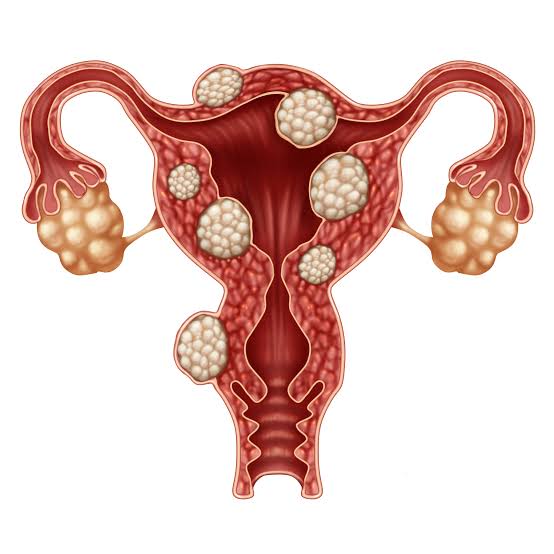
UFE is a minimally invasive procedure involving image guidance to halt the blood supply to uterine fibroids to relieve symptoms of these growths. These growths are benign or non-cancerous and occur in or surrounding the uterus. They are of varying sizes and may be small to larger and cause distinct swelling in the abdomen.
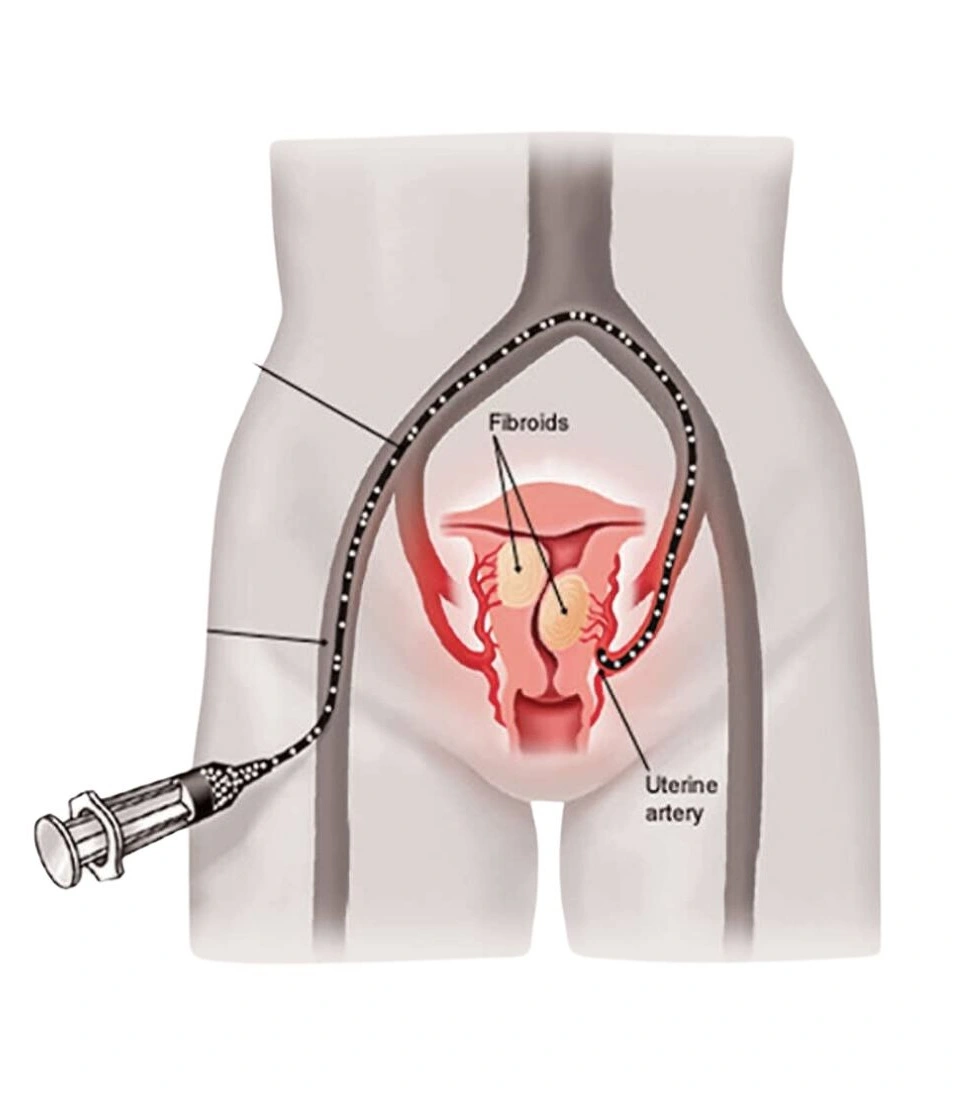
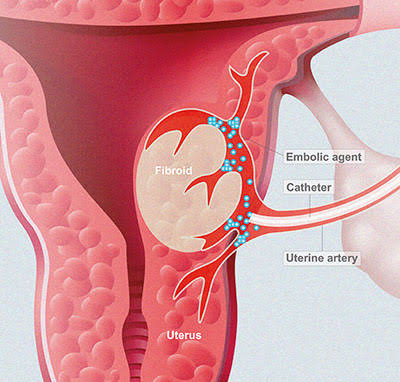
“UFE does not directly treat the fibroids. Instead, it treats the uterine arteries, which are what provide blood to the fibroids. These tiny particles are put into those arteries to limit (or stop) the bleeding of blood to the fibroids. This process allows the fibroids to shrink, but ultimately, symptoms of heavy bleeding, pelvic pressure, and pain have been greatly relieved.”
UFE is carried out by creating a small puncture in the skin, usually in the groin or the wrist area, thus involving small cuts, unlike other surgeries. It’s one of the major reasons why women turn to UFE when they want to end the suffering but not necessarily undergo a hysterectomy.
UFE Applications and Indications Uterine fibroids and Uses of UFE
The UFE is most commonly utilized to address uterine fibroids, also known as benign growths within the uterus. It also helps to address adenomyosis, which is defined by heavy and painful menses.
In terms of your seeking care, your physician’s discussion with you about whether to proceed with the procedure would involve your symptoms, your imaging studies (ultrasound/MRI), and your future plans. The role of UFE would primarily be mentioned in those instances where your symptoms are severe, such as those involving heavy bleeding, leading to anemia, and symptoms of pressure in the pelvis, frequent urination due to fibroid pressure on the bladder, and pain.
Mechanism of Uterine Fibroid Embolization
There is one question women are asking: “How is it possible to treat several fibroids in one session without going through surgery?” The answer involves one word: “Blood supply,” or the reliance of the uterus on uterine arteries. UFE cuts off this supply.
This is how it usually works:
First, you are seen for evaluation. Your images are used to help determine whether you are a good candidate for UFE based on possible fibroid confirmation. UFE itself occurs in a hospital setting equipped with interventional radiology capabilities.
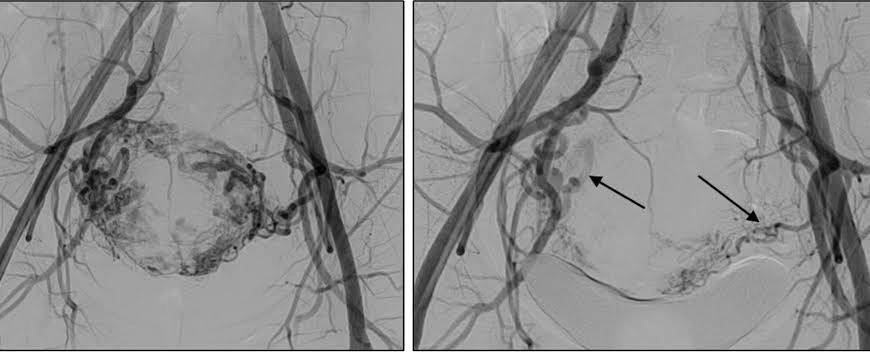
A small puncture is made to gain access to the artery, and a thin catheter is passed into the uterus to reach the uterine arteries under real-time imaging. Finally, small particles, which are aptly compared to sand grains in size, are infused to occlude smaller arteries supplying the fibroids. The particles will be lodged in these arteries and cause a reduction in blood flow to the fibroids, causing them to shrink.
Following the decrease in blood flow, there’s a gradual shrinkage in size of the fibroids. Additionally, symptoms also improve slowly. For instance, symptoms such as heavy flow might improve faster compared to symptoms such as bulk.
Both uterine arteries are usually handled through the same access point. This favors the simultaneous treatment of many fibroids.
HEALTH BENEFITS & RECOVERY AFTER UFE
UFE finds favor with the patient population because it combines effectiveness with an easier recovery course.
UFE Benefits
Minimally Invasive: This is a non-surgical procedure, which means a faster healing process.
Outpatient Procedure: Hospitalization is not necessary.
High Success Rate: Approximately 85-90% patients have experienced relief from the symptoms.
In addition to the important points listed below, women may like that UFE:
- Avoids large surgical
- Can treat a group of fibroids simultaneously
- Usually enables patients to resume usual activities sooner when compared to major surgery, and
- Allows the uterus to be preserved, which is a consideration of great importance to many women.
Is Uterine Fibroid Embolization Effective?
This is one of the most-searched questions—and it is a good one. A woman wants something that really works. UFE’s effectiveness has been extensively researched, and here is the essential point to remember: UFE is excellent for symptom management and is very successful for a huge number of carefully chosen women. UFE is reportedly successful for 85 to 90% of women in terms of alleviating symptoms.
What “works” means in real life is:
- There is less heavy bleeding,
- Pelvic pressure and weight sensation decrease with shrinkage of the fibroids
- Urinary frequency or constipation due to pressure may improve and/or
- “Quality of life will generally be enhanced as the symptoms, which previously controlled daily activities, are alleviated.”
However, it is important to consider that “success,” as defined above, is contingent upon appropriate diagnoses and selection. Thus, for instance, complaints resulting from conditions other than fibroids will not necessarily be alleviated similarly. This is why assessment and imaging are crucial prior to UFE.
Recovery Timeline
The recovery process varies from woman to woman; however, many women are amazed at how quickly they can return to normal activities compared to major surgery. In fact, from a well-known resource for patients offered by the Society of Interventional Radiology, the recovery period for UFE is 5-7 days for most women, compared with up to 8 weeks for hysterectomy.
There may also be spasms and pain within the short period after embolization, and this is common, particularly during the first few hours. Some women experience severe spasms, and then pain persists for a few days with lesser intensity.
When may you continue with what you were doing?
Generally, a woman is able to resume light daily activities and go back to her job once the pain is controlled. There are women who require a little more time before going back to their job, particularly where their job is physically strenuous. The time taken may depend on the response of one’s body to treatment.
Why Might I Need a Uterine Fibroid Embolization?
You have symptoms from or due to having uterine fibroids which are causing particular problems in your life, possibly anemia due to heavy bleeding or pressure symptoms. •
- Your preference might be to avoid or not be a suitable candidate for open surgery.
- The procedure you prefer is uterus-sparing and minimally invasive.
- You have multiple fibroids where it might be intricate to surgically address each one, and a “whole uterus blood-supply” method is more appropriate.
You can also be considered for UFE if you have symptoms of adenomyosis (bleeding and pain during periods) and imaging findings that support it.Your preference might be to avoid or not be a suitable candidate for open surgery.
What about plans regarding fertility and pregnancy?
Several women ask about the use and benefits of UFE if they ever want to become pregnant in the future. As discussed, it does leave the uterus intact. The use of UAE/UFE should be carefully considered by and between you and your medical specialists if you are pregnant or thinking about becoming pregnant. According to some health resources, UAE/UFE is not the treatment method for you in the case that you are either pregnant or consider becoming pregnant. What to Do to Prepare for Uterine Fibroid Embolization Preparation is a crucial part of a successful experience regarding a treatment or a medical operation.
How Do I Prepare for Uterine Fibroid Embolization?
Preparation is an integral part of a smooth and safe procedure as well as recovery. Your doctor will work out instructions according to your medical background, but here is a list of what to expect.
First, there will be a consultation and review of images. This is where ultrasound or MRI is used to determine the size, number, and location of the fibroids, as well as verification of suitability for the UFE procedure.
Secondly, you could need regular blood tests for blood hemoglobin levels (especially heavy bleeding), kidney function tests, and a clotting study. All of these help you receive medications safely and contrast agents (if you need any contrast studies).
Thirdly, your team would review your medications. Some medications might have to be held temporarily, and certain medications that may affect your risk for bleeding complications might be best held temporarily. An example of this comes in the form of one of the clinical centers suggesting you withhold a number of NSAIDs such as aspirin and ibuprofen for a few days prior to undergoing a procedure and to skip eating and drinking after midnight prior to undergoing a procedure.
Fourth, you will be provided with information regarding fasting instructions, arrival times for both of the hospitals, and what to bring along with you. Usually, one plans to rest after the operation and even arranges for company the first day, considering the cramping pains involved.
Readiness for the day of
On the day of UFE, comfort and patient safety are taken into consideration. Your crew can involve placing an IV line, medications for analgesia, anti-emetics, and relaxation measures, as well as prepping the access site. This will mainly involve using a local anesthetic at the site of puncture as well as supplementary analgesic medications if needed.
After-Care Planning
To be on the safe side in the event that the cramping and weakness begin to develop within the first couple of days, it would be advisable to have a low-key relaxation environment established for the purpose of meals, fluid intake, medication on time, and the like. Generally, a woman will notice a progression within a couple of days and get along fairly quickly compared to major surgery.
Why Choose Dr. Rakesh Kumar Kumawat
Choosing a Uterine Fibroid Embolization specialist in Jaipur is not a choice of a treatment: it has to do with a process of correct diagnosing, patient counseling, a safe procedure, pain management, and follow-ups.
With Dr. Rakesh Kumar Kumawat, you get to have a treatment process for Interventional Radiology that concentrates on:
- Personalized assessment based on symptom mapping and appropriate imaging.
- Procedure planning with a focus on precision and safety.
- Minimally invasive technique that comfortably allows for quicker recovery.
Coordination of care with your Obs & Gynaecologist, if necessary, for overall women’s healthcare planning.
A clear plan of action and follow-through should be implemented to follow relief of symptoms and shrinkage of fibroids. In cases where surgery has been deemed necessary, or simply looking for alternatives, UFE can often prove to be a viable alternative for women.
The New, Uterus-Sparing Solution for Women Suffering from
Uterine Fibroid Embolization: UFE—Uterine Fibroid Embolization is revolutionizing women’s options for fibroid treatment—especially for women who now have alternatives to traditional open surgery to restore their comfort. Using state-of-the-art imaging techniques to target these fibroids effectively, UFE procedures have been successful in reducing fibroids by cutting off their ‘blood supply,’ thus successfully reducing symptoms like heavy bleeding, pain, or pressure. If you are looking for Uterine Fibroid Embolization in Jaipur, a consultation is the best course for you to identify whether you are symptomatic for fibroids and whether UFE is right for you. Then women can get relieved with proper assessment and management plans.

Frequently Asked Questions
1) What is Uterine Fibroid Embolization?
UFE is a minimally invasive procedure that uses imaging technology to help block the blood flow to the uterine fibroid in order to alleviate the blood supply that serves to nurture the tumor. As a direct result of less blood supply, the fibroid diminishes in size, and associated symptoms also subside.
2) Who performs UFE in Jaipur?
UFE is done by a Vascular & Interventional Radiologist using imaging guidance. In Jaipur, Dr. Rakesh Kumar Kumawat has been successfully doing UFE as a uterus-sparing non-surgical treatment in suitable candidates.
3) How does UFE work?
A small catheter is put in place through a small puncture in an artery typically in the groin area or wrist to the uterine arteries. Small embolic particles are injected to decrease blood flow to fibroids. With time, fibroids regress in size and symptoms decrease.
4) Does uterine fibroid embolization really work?
Yes in many carefully chosen candidates for treatment, UFE leads to a large reduction in symptoms of large menstrual flow and pelvic pain as well as a sensation of fullness / pressure symptoms of fibroids. The great majority of patients usually have a large decrease in symptoms of fibroids as their size is decreasing.
5) Why might I need a uterine fibroid embolization?
You may need UFE if your fibroids are causing heavy periods-often with anemia-pelvic pain, pressure, urinary frequency, constipation, or discomfort that impacts your life-and you’re seeking an alternative minimally invasive option to avoid major surgery.
6) Does UFE hurt?
Most discomfort associated with the procedure is managed through medication as well as local anesthesia. After UFE: Slight cramping is normal, especially during the initial 48 hours post-UFE, and can easily be managed with medications that your doctor would prescribe for pain relief. Most women noticed that their condition improved steadily afterwards.
7) What are the advantages of UFE over Surgery?
It is generally an easy and painless procedure because it is minimally invasive, and there is little need for deep cuts and thus shorter recovery time than traditional surgery with UFE. Multiple fibroids can be removed by it and the uterus is spared.
8) How long is recovery after UFE?
Many women are able to gradually resume light activities a few days post-UFE. Full recovery takes varying time, with people being able to get back to their normal lifestyle within 1-2 weeks based on how the symptoms and type of work are tolerated and how fast recovery proceeds.
9) Can fibroids have a recurrence following UFE?
After UFE, fibroids shrink due to the cutting-off of their blood flow and thus offer symptomatic relief to the woman for several years. However, fresh fibroids do develop because the uterus still has the ability to generate new fibroids.
10) Can UFE preserve the uterus and the fertility of women?
UFE is able to preserve the uterus and thus one of the significant advantages of uterus-sparing procedures for women. Whether actively pregnant or not, this should be an individual treatment plan with your interventionists: interventional radiologist and gynecologist, based on the nature of the fibroids, symptoms, age, and objections of conception.
11) What should I do to prepare for a uterine fibroid embolization?
Prep work typically consists of consultation, evaluation of radiographic studies-most likely ultrasound or MRI scans-with a review of prior imaging studies, in addition to blood tests. Your physician might instruct you to fast prior to surgery as well as change your medications, specifically anticoagulants and medications taken for predisposition to bleeding.
12) What kind of risk and side effects might be related to UFE?
Commonly, you might encounter pain in your uterus as well as weakness, low-grade fever, vomiting, as well as vaginal bleeding. Of course, as a common medical treatment, some complications might arise; hence, you might be made aware of symptoms of complications to inform your physician accordingly.