
Prostate Artery Embolization Doctor in Jaipur
Prostate Artery Embolization Doctor in Jaipur — Non-Surgical Relief for BPH (Enlarged Prostate) By Dr. Rakesh Kumar Kumawat
If urinary symptoms-nighttime waking’s, urgent desires, a weak stream, incomplete emptying, or painful urination-are creeping into your daily life, then your prostate size may be interfering. These changes generally come about gradually, and many men attribute them to aging. When they start to encroach on sleep, travel, work, and confidence that is the time when some options for safe and effective treatment are being explored.
Today, there is a modern, minimally invasive alternative available: Prostatic Artery Embolization. This is a non-surgical route for many men suffering from BPH or an enlarged prostate. If one is looking for a doctor for Prostate Artery Embolization treatment in Jaipur, the best way forward is an expert who does image-guided embolization procedures with precision and care. Dr. Rakesh Kumar Kumawat, does Prostate Artery Embolization Treatment in Jaipur with the simple aim of reducing urinary symptoms, improving the quality of life, and keeping one away from traditional surgery whenever possible.
Prostate Artery Embolization Specialist in Jaipur
Prostate Artery Embolization is not a standard medication regimen, nor is it an open surgery. It is a truly advanced, image-guided therapy performed by a Vascular & Interventional Radiologist-a physician specially trained to treat vascular problems inside the body through a small catheter, without the need for large incisions.
The key here is to select a proper specialist because the blood supply to the prostate is quite complex, and a proper embolization requires a significant degree of accuracy in the proper navigation of the catheter and the proper deposition of embolic material.
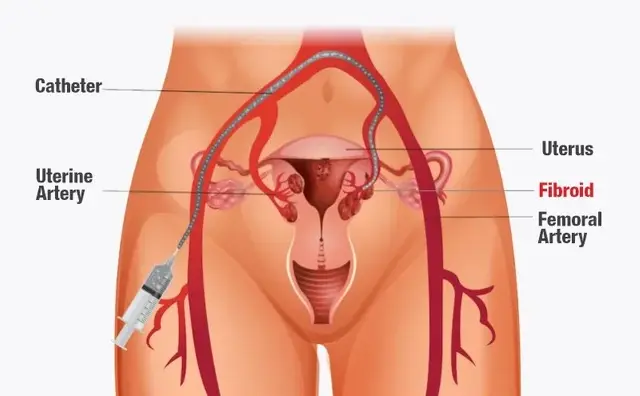
Dr. Rakesh Kumar Kumawat has a special reputation as a Prostate Artery Embolization Specialist in Jaipur, who deals with men from different parts of the world who are suffering from BPH and are looking to try a less invasive method. They have a specific journey to recovery that makes them completely transparent and accommodating from consultation to recovery regarding what is happening and how patients need to plan their routines.
Considering other options beyond lifelong medications or avoiding traditional prostate surgery is best done after consulting with Dr. Rakesh Kumar Kumawat. which will help you decide based on symptoms, assessment of the prostate, and case history.
What is Prostatic Artery Embolization?
Prostatic arterial embolization, consequently, represents a less invasive procedure for relieving symptomatic urinary complaints in patients with benign prostatic hyperplasia. BPH stands for the non-malignant enlargement of the prostate, the most frequent benign tumor in males. The PAE procedure is performed by an interventional radiologist IR – a physician who uses X-ray and other advanced imaging tools to take a look at the interior of the body and treat conditions without performing open surgery.
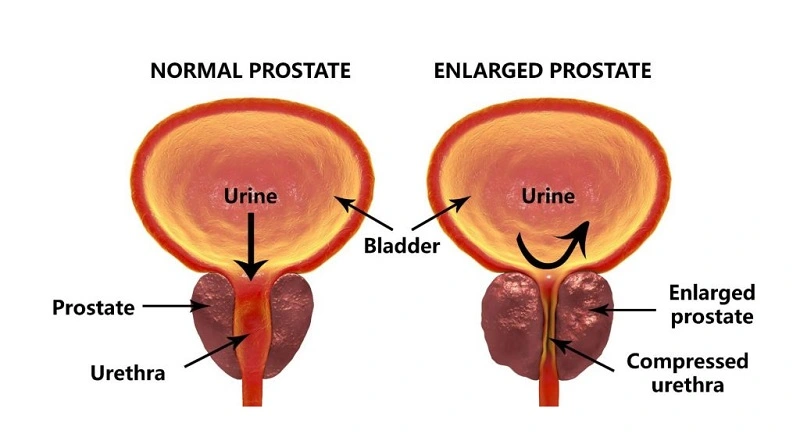
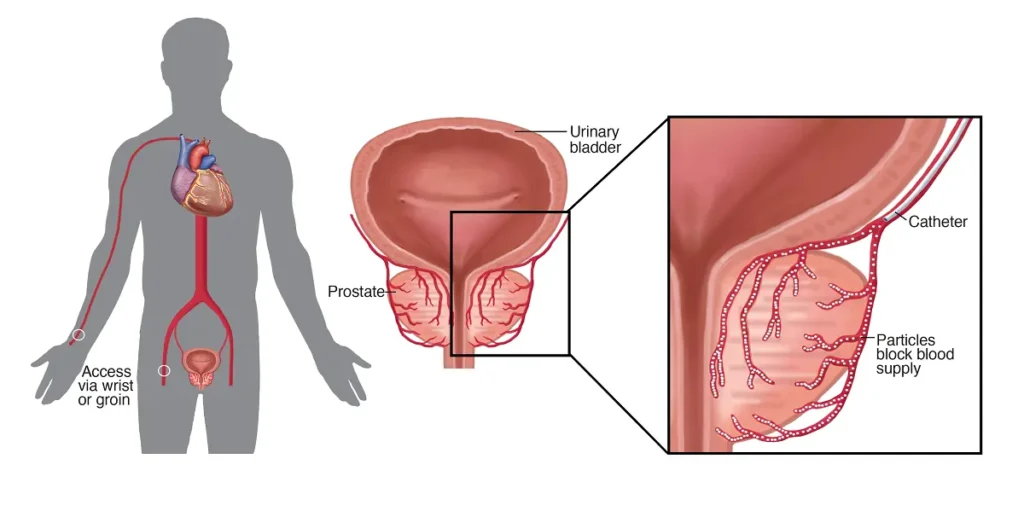
In simple terms, Prostate Artery Embolization works by shutting off a portion of the blood supply to the enlarged prostate. By doing this in a very controlled manner, the gland will gradually, over time, reduce in size. As the size of the prostate decreases, then the pressure on the urethra-the passage for the flow of urine-becomes less, and this often results in an improvement in urinary symptoms. Many men find their stream is stronger after the procedure, with less urgency, and often these symptoms continue improving as the prostate goes on shrinking.
When PAE is considered
The prostate is a walnut-sized gland that, as it grows, often starts pressing against the urethra. This leads to a host of irritating symptoms. These include urination incontinence, from leakage to loss of bladder control. Irritative voiding symptoms include urination, especially if relining therapy has not been performed.
In reality, men find the need to seek help when these problems begin to impact sleep patterns. Nocturia, having to urinate throughout the night, is very tiring. The need to urinate can be a source of fear when in a plane, for instance, during a conference. A weak flow, feeling as if the bladder is not empty, can cause irritation, as well as a risk of urinary retention.
Prostatic Artery Embolization (PAE) is usually considered when the medications are not offering relief from the symptoms effectively or when it is hard to deal with the side effects caused by the medications. PAE can also serve as an alternative treatment for candidates who may not be fit for the surgical process.
How do I know if PAE is right for me?
Prostate Artery Embolization targets individuals who are poor candidates for, or uninterested in, classic surgery. An interventional radiologist will determine if the procedure is right for you during an initial consultation. You will also be queried about your symptoms of urination, their severity, and frequency that these symptoms bother you during a given day.
This consultation is important, as symptoms from the prostate may have more than one cause. Normally, your physician will evaluate how problematic your symptoms are, carry out a forward history, and look at the past feedback. Based on the situation, he or she may order other imaging tests such as ultrasound or MRI scans. The goal is primarily to ensure that your symptoms can actually be attributed to a condition that can be relieved through PAE treatment while also ruling out any condition within which PAE treatment is contraindicated.
Many men appreciate this diagnosis, as it takes them from a point of conjecture to a specific line of treatment. It’s not a case of trying another drug, but you’re on a straightforward route to determine if the minimally invasive embolization might be the right option.
Who should avoid PAE
Patients will be excluded from the treatment if they have cancer, kidney problems, bladder stones, a neurogenic bladder, a constricted urethra, an active urinary tract infection, or prostatitis.
This is a very important consideration from a safety standpoint. PAE is not a cure-all solution to every problem of the urinary system. For example, if a patient has an active infection in the urinary tract, it has to be dealt with first. When there is a concern about prostate cancer, it requires a separate course of testing and treatment. And in a case where the primary problem is a stricture in the urethra, obstructing urination, a reduction in prostate size might not be entirely effective. So the consultation and inquiries are not “extras” but the groundwork for safe results.
What you are to do before procedure (Preparation)?
Book in advance for elective visits, or present via casualty if this is an emergency. Perform the following laboratory investigations-PT/INR, CBC, serum creatinine, viral markers, and collate previous results. An MRI or ultrasound of the prostate and a urine test [urinalysis] may be performed. In some instances, a PSA test may be added in order to rule out prostate cancer. Starve for 4–6 hours.
If you are on blood thinners like aspirin, please inform the healthcare provider about it prior to consulting them. Bring one person of your choice along with you. A consent form will be asked to be signed prior to the procedure.
Preparation tends to go very easily because everything falls in line, step by step. The objectives are the establishment of a diagnosis, assurance that kidney function is safe for any imaging contrast utilized, and verification of the absence of an active infection or any other condition that will complicate the procedure. Do not stop blood thinners or aspirin on your own. Inform the clinic during the appointment and follow the doctor’s exact guidance, which will be based on your overall health and reasons you are taking medicines, as well as the planned procedure. Having one accompanying person can be helpful since you may feel tired after the procedure and support may make the experience easier.
What happens during PAE?
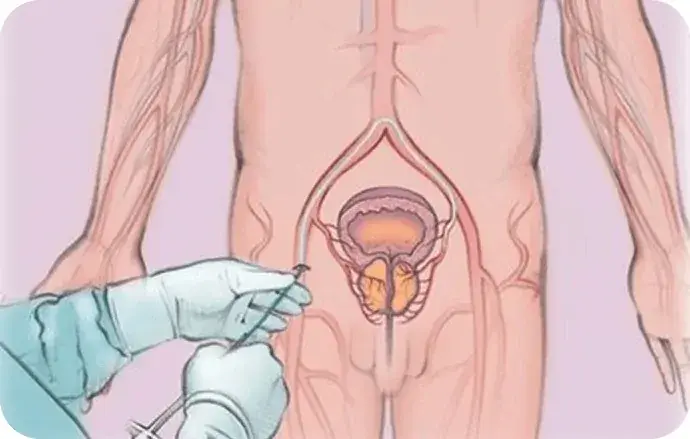
Prostate Artery Embolization is performed through a very small catheter, which your interventional radiologist inserts into your groin artery. Your physician then uses the catheter to insert it into the blood vessels nourishing your prostate. Thereafter, the arteriogram, or the X-ray with contrast injected into your vessels, identifies your vessels that deliver nutrition to your prostate. The glue or particles are infused through the catheter and into your vessels to lower your prostate’s flow. Your radiologist uses your catheter to reach your other side of your prostate and follows these steps. Finally, your prostate starts shrinking and your symptoms improve.
In simple terms, this plan is specific and controlled. The catheter is very thin, with only a tiny puncture wound as entry. Live imaging assists the doctor in visualizing the blood vessels so that only what needs to be treated is treated. PAE is typically done with comfort-oriented protocols so that your staff is also closely observing you to protect you as well as to prevent any stresses during this process.
Approx. Stay in hospital?
Our team works efficiently, with a consultant, a fellow, a clinical assistant, a technician, and a ward assistant, which enables us to provide patients with a soothing and reassuring ambience. The duration of each patient’s stay is approximately a day. Also, many patients like this aspect of PAE because this procedure accurately reflects everyday life. In other words, instead of requiring several months to recover, most patients are able to plan an observation period and resume normal activities.
Benefits & Recovery after Prostate Artery Embolization
One of the strongest reasons men search for a Prostate Artery Embolization Doctor in Jaipur is the recovery advantage. Traditional surgery may also work, but some men find that a less invasive options like PAE provides a less disrupting way to deal with their employment and other obligations. Following PAE, patients experience benefits from urinary frequency, urgency, and a weak stream of urine. Sleep can improve when night-time urination reduces. Confidence can improve when urgency is controlled. In many cases, men also like that this is a “shrink the prostate” approach without directly cutting prostate tissue.
Recovery will encompass resting for the short term, fluid intake, and the advice from the clinic. Some men may experience slight comfort in the pelvis or burning sensations while passing urine briefly, depending on the response of the individual. Patients will appreciate the knowledge of the possibility of going about normal life quicker, under the advice of the doctor. “” The Essentials of Recovery “” The essential aspect of recovery is the need to abide by the advice emanating from the doctors, including fluid intake, taking of medicines, engaging in activities, as well as schedules.
Why Choose Dr. Rakesh Kumar Kumawat for PAE in Jaipur?
Selection of the right Prostate Artery Embolization Specialist in Jaipur doesn’t just revolve around the procedure. It also encompasses the entire process involved – diagnosis, safety, accuracy, and follow-through.
With Dr. Rakesh Kumar Kumawat, patients can avail
- A comprehensive consultation, which is centered on urinary symptoms, impact of symptoms on lifestyle, and medical history
- A plan for pre-procedure investigations and a readiness check list
- Image-guided precision embolization with safety in mind
- A comfortable hospital experience c. A caring team
- Follow-up guidance for tracking improvement in symptoms and progress in recovery.
. If you seek a least invasive method for BPH that may also assist you in lessening urinary symptoms and achieving comfort, Dr. Rakesh Kumawat, is a good source to consider when availing a PAE treatment.
Frequently Asked Questions
1) What is a Prostate Artery Embolization?
PAE is a least invasive treatment option available for relieving obstruction-related urinary symptoms arising from BPH, via a reduction in blood flow to the hypertrophied prostate resulting in a reduction in the prostate size.
2) Where to approach for PAE treatment in Jaipur?
This treatment is performed utilizing the assistance of advanced imaging guidance systems provided by Vascular & Interventional Radiologists. In Jaipur, PAE Specialist is Dr. Rakesh Kumar Kumawat.
3) What symptoms does PAE help with?
PAE is usually indicated for symptomatic patients who present with frequency, urgency, nocturia, decreased urine stream, incomplete bladder emptying, and discomfort of urination associated with BPH.
4) Is Prostate Artery Embolization a surgery?
No, it is done by catheter, which is considered minimally invasive and involves only a puncture wound, not an incision as with an open surgery procedure.
5) How soon can one expect relief of symptoms following PAE?
Some patients will experience relief from their symptoms within several days and will continue as the prostate shrinks with time.
6) Who is not suitable for PAE?
Contraindications might include suspected malignancy, renal failure, presence of bladder calculi, neurogenic bladder, urethral stricture, active infection of the urinary tract, and prostatitis.
7) What are the tests prior to PAE?
These will typically include: Blood work (CBC and renal panel), Thawed Prothrombin Time and INR, Urine study, and Imaging studies: for instance, Prostate ultrasounds or Prostate MRI studies. Depending on the case, a Prostate-Specific Antigen blood study will be needed too.
8) Do I need to fast before PAE?
Yes. A 4-6 hour fast will be required prior to the procedure.
9) I take blood thinning medications, for instance, aspirin.
Tell your doctor when you see them. Do not stop your blood thinning medications without talking to your doctor first. This will assist your doctor in advising you accordingly before your surgery.
10) For how long will I stay in the hospital after the PAE procedure?
This will depend on your rate of recovery, but in most instances, only one day will be required.
11) Is Prostate Artery Embolization painful?
Generally, patients do not find PAE uncomfortable. Otherwise, you might experience some discomfort during and following the procedure. This will be alleviated with medications offered by the care providers.
12) Is Prostate Artery Embolization Safe?
PAE performed by a skillful Interventional Radiologist to a great extent is believed to be a minimally invasive procedure. It is safe and appropriate for a patient depending on proper diagnosis.