
Knee Pain Treatment
Knee Pain Treatment in Jaipur — Modern, Non-Surgical Relief for Knee Joint Pain
Knee Joint Pain Treatment in Jaipur | Faster Pain Relief, Better Mobility | Dr. Rakesh Kumar Kumawat
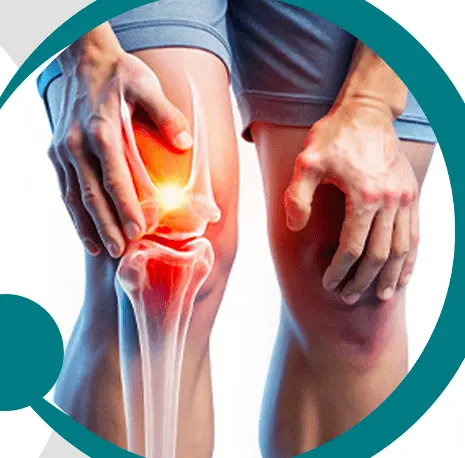
Knee pain is a problem. It can make everyday things hard to do. Like climbing stairs that becomes really uncomfortable. Sitting for a long time makes your knee feel stiff. Even a short walk can be a deal. For a lot of people knee pain starts out as an issue and gets worse, over time. It can become a pain your knee gets swollen and it is hard to move around. Some people do not pay attention to these symptoms. They think it is just because they are getting older or they just pulled something. Knee pain is what they are dealing with. Knee pain can really affect your life. Knee pain that does not go away often means that the knee has a problem. This problem can be things like the knee getting inflamed the cartilage in the knee getting worn out the knee joint getting worse or the muscles around the knee being out of balance. The knee needs the kind of treatment to stop the problem from getting worse. Knee pain that does not go away needs to be treated so that the knee does not get even more hurt. Knee pain is a sign that something’s wrong, with the knee and the right treatment plan is necessary to fix the knee.
If you are looking for a way to deal with knee pain in Jaipur or knee joint pain in Jaipur you probably want something that really helps. You want knee pain treatment that makes the pain go away makes it easier to walk and helps you stop taking painkillers all the time.
The best way to treat knee pain is not the same for every person. It depends on why you have knee pain how bad it is, how long you have had it and what you do every day. Knee pain treatment, in Jaipur should be based on your knee pain problem.
Today, knee pain treatment has advanced beyond basic medicines and repeated rest. Modern care includes diagnosis-based planning, physiotherapy with strengthening, and minimally invasive image-guided procedures for selected cases—especially for patients who want non-surgical solutions or want to delay major surgery. Under the care of Dr. Rakesh Kumar Kumawat, widely recognized as the Best Interventional Radiologist in Jaipur and a skilled pain management specialist, patients can explore smarter, faster, and less invasive approaches to knee pain relief.
Understanding Knee Joint Pain: Why It Happens
Knee joint pain is a problem that many people have to deal with. There are lots of reasons why you might have knee pain. Sometimes it is because of wear and tear on your knee. Times it is because of swelling or getting hurt. You can also have knee pain because of the way your knee works.
The common reasons for knee joint pain are things like osteoarthritis. This is when the cartilage in your knee starts to break down. Knee joint pain can also happen when the knee gets swollen which is called synovitis. This can occur when you tear something in your knee or when your knee is not working right. If you have hurt your knee before this can also cause pain. Being overweight is another reason you might have knee pain because it puts more stress on your knee joint. Knee joint pain is an issue that can be caused by many things, including knee problems like a torn meniscus or ligament strain and these are all related, to knee joint pain. Weakened thigh muscles, a lack of support for the knee joint, longstanding postural problems and walking habits, and inflammatory arthritis, are also contributing factors. In Jaipur, patients often complain of knee pain due to short working hours, a lack of exercise, weight gain, the use of stairs, and squatting. Understanding the cause matters because treatment works best when it targets the root issue rather than only reducing pain temporarily.
Symptoms That Indicate You Need Knee Pain Treatment in Jaipur
If you have knee pain and it is really bad you might need to get knee pain treatment in Jaipur. There are some symptoms that’re serious enough for you to go see a doctor.
Knee pain treatment, in Jaipur can help you with these problems.
- I get pain when I am walking or when I have to go up the stairs or even when I am just standing still the pain, from walking and standing is really bothering me.
- Stiffness after sitting or in the morning
- Sometimes I get. Then it goes away but the swelling comes back again. The swelling is not always there it just. Goes. I have this swelling that comes and goes.
- When you hear cracking or grinding noises it usually means that you are feeling pain or that you have restricted movement with your joints or muscles and these cracking or grinding noises are a sign that something’s not quite right with your movement or that you are, in pain.
- The pain gets worse as the day goes on it is really bad, by the end of the day. The pain is something that I deal with every day. It seems like the pain gets worse and worse. I am talking about the pain and how it affects me the pain is a problem.
- Trouble bending the knee fully
- Fear of walking because of instability or weakness
- Pain that gets in the way of sleeping or doing things you like to do like pain that interferes with your activities or keeps you up at night pain from things, like this can be really tough to deal with and it is pain that affects your sleep or your activities.
- Pain recurring after a period of relief
Early treatment will help prevent the problem from worsening and keep your joint working for a longer period of time.
What works well in knee pain treatment?
It is not about one medication or one exercise. It usually comes from a combination of: Correct diagnosis (X-ray/MRI/clinical evaluation as needed) Inflammation control and pain relief Muscle strengthening to support the joint Weight and lifestyle correction to reduce joint stress Targeted minimally invasive treatment in selected cases Follow-up monitoring and prevention planning A diagnosis-first approach helps avoid unnecessary treatments and speeds up real improvement.
Knee Pain Treatment Options in Jaipur (Complete Approach)
1) Consultation and Diagnosis
A proper evaluation includes:
- understanding your pain history and lifestyle triggers
- checking knee movement, swelling, stability, and tenderness
- reviewing X-ray reports for osteoarthritis staging
- recommending MRI only if injury like meniscus/ligament is suspected
- We need to figure out if the pain is because of a problem or if it is caused by inflammation or if it is related to the nerves. Once we know what is really going on with the pain it becomes a lot simpler to come up with a treatment plan that actually works for the pain.
2) Lifestyle and Activity Modification
One of the most overlooked parts of knee pain treatment is lifestyle correction. Small changes can significantly reduce knee stress:
- avoiding long stair climbing and deep squats when pain is active
- choosing low-impact exercises like walking on flat surfaces
- using correct footwear and avoiding long standing without breaks
- Correcting the way you sit and bend your knees is important. If you are overweight losing a weight can really help. It can reduce the pressure on your knees. Make you feel better. This is because excess weight can put a lot of strain on your knees so even a small weight loss can make a difference, in how your knees feel. Losing weight can help improve the symptoms you are experiencing with your knees.
3) Physiotherapy and Strengthening (Foundation of Knee Pain Relief)
When people have knee pain they usually need to make their knees stronger. This is a part of making them feel better. Physiotherapy usually involves:
- thigh muscle strengthening (quadriceps support)
- hamstring and calf flexibility
- improving balance and stability
- correcting walking pattern and knee alignment
- When we talk about physiotherapy it is really important to have mobility improvement without overloading the joint. Physiotherapy works well when it is done in a consistent and guided way not just doing random exercises. This way physiotherapy can really help us to get better and feel good.
4) Medicines and Supportive Treatment (Short-Term Use)
The doctor will probably tell you to take some medicines to help with the pain and inflammation. These are usually just a part of the plan. Not the whole solution. Support can include:
- anti-inflammatory medicines (as medically suitable)
- joint support bands or braces for stability
- heat/ice therapy for swelling and stiffness
- vitamin and nutrition guidance if recommended
A specialist usually avoids long-term dependence on painkillers when other effective options are available.
Advanced Knee Joint Pain Treatment in Jaipur (Non-Surgical, Minimally Invasive Options)
When the knee pain just does not go away after physiotherapy and the usual treatment a lot of people start looking for something that will work faster without having to go for surgery. Some patients with knee pain may find that modern interventional options for knee pain are really helpful, for their knee pain.
1) Genicular Nerve Block Treatment
The genicular nerves are the ones that carry pain signals from the knee.
When we talk about a nerve block we are talking about a technique that helps manage pain.
This technique works by reducing the activity of the nerves that are, around the knee.
The genicular nerve block is used to help people who have knee pain, especially people who have osteoarthritis.
Doctors use the nerve block on certain patients.
The genicular nerve block can also be used to figure out if treating the nerves will actually help the patient.
2) Genicular Nerve Ablation (Chronic Knee Pain Relief in Selected Patients)
Genicular nerve ablation is a way to help people who have knee pain that will not go away. This procedure is done to help people who have had knee pain for a long time usually because they have something called knee osteoarthritis. The main idea of nerve ablation is to make the knee pain smaller by dealing with the genicular nerves. These genicular nerves are, like roads that let the knee send pain messages to the brain. So when we do nerve ablation we are trying to stop these pain messages from getting to the brain, which helps to reduce the knee pain. A genicular nerve block is usually the first procedure that doctors employ, and if this block results in good short-term pain relief, this is already a good indication that ablation may also be beneficial for the patient.
This is really useful for people who have knee pain that just will not go away with medicine, exercises or shots. The Genicular nerve ablation is about stopping the pain signals and the Genicular Artery Embolization (GAE) is about stopping the blood supply that is making the knee swell. So we need to pick the one based on the knee pain the patient is feeling what the pictures from tests show and what the patient wants to achieve.
A good check up by a doctor helps figure out which option is the best, for treating knee pain in an effective way.
3) Genicular Artery Embolization (GAE) for Knee Osteoarthritis (Selected Cases)
GAE is a procedure that does not require a cut it uses images to guide the doctor to the right spot. The goal of GAE is to reduce the blood that is flowing to the knee joint, which is causing inflammation. For some people with osteoarthritis reducing this blood flow can really help with the inflammation, swelling and pain in their knee. This can make it easier for them to move around. People who do not want to have surgery or who want to put off having a knee replacement often consider GAE. Doctors only suggest these procedures after they have done a very thorough check. The main idea is to make sure that GAE will really help you and that it is safe for you to have it done. GAE is considered when other options have been looked at. GAE can be a choice for people who want to try something other, than surgery.
Is knee replacement the only option?
No. Many patients worry that once knee pain becomes frequent; knee replacement is the only option. In reality, many people can manage knee pain successfully with:
- lifestyle correction
- strengthening programs
- targeted injections or interventional procedures
- structured follow-up
- prevention strategies Knee replacement is usually considered when joint damage is advanced, pain is severe and constant, and function is significantly reduced despite all other treatment options. A specialist helps you understand where you stand and what you can realistically improve.
Why Choose Dr. Rakesh Kumar Kumawat for Knee Pain Treatment in Jaipur?
So you are looking for a doctor to treat your knee pain in Jaipur. You want a Knee pain doctor who can help you without surgery. Dr. Rakesh Kumar Kumawat is an option. He is known as Jaipur’s Best Interventional Radiologist and a leading pain management specialist. People like him because he finds out what is really wrong with you and treats that. He does not just treat the symptoms of Knee pain he treats the root cause of Knee pain. Dr. Rakesh Kumar Kumawat is the one to go to for Knee pain treatment, in Jaipur. Modern minimally invasive pain relief options for selected cases Image-guided precision approach to reduce unnecessary intervention Comfort-focused treatment planning Clear recovery and follow-up guidance for long-term improvement If your knee pain is limiting your daily life, consultation can help you understand your best options—whether conservative care is enough or whether advanced non-surgical procedures can provide better relief.
Knee Pain Causes
Knee pain is often because of wear and tear. It can also be from inflammation or an injury to the knee. Sometimes the muscles around the knee are not balanced. That causes pain.
The main reason people get knee pain is because of something called osteoarthritis. This is when the cartilage in the knee starts to wear away. When this happens it causes pain and stiffness in the knee. The knee can also get swollen. This usually happens when you are going up or down stairs or when you are walking or standing.
Knee pain can also be from doing much of something. For example if you squat or kneel a lot that can strain the knee. Running or standing for a time can also cause problems. When you do these things much it can irritate the knee and the tendons, around it which makes it uncomfortable. Knee problems can be really frustrating. Old injuries or recent ones like tears in the meniscus or sprains in the ligaments which’re the ACL, the PCL and the MCL can cause a lot of pain in the knee that just will not go away. They can also make the knee click or lock and make it feel unstable.
For a lot of people the pain gets worse when they are carrying weight or their thigh muscles are weak or they have bad posture or their feet are flat or they wear the wrong shoes. All these things put pressure on the knee, which is already hurt and that makes the pain even worse. Knee pain is often made worse by things like body weight, weak thigh muscles, poor posture, flat feet or wrong footwear which adds extra pressure, on the knee and that is why knee problems can be so annoying. Less commonly, knee pain may be linked to inflammatory arthritis, tendonitis, bursitis, or even referred pain from the lower back—so proper diagnosis is important.
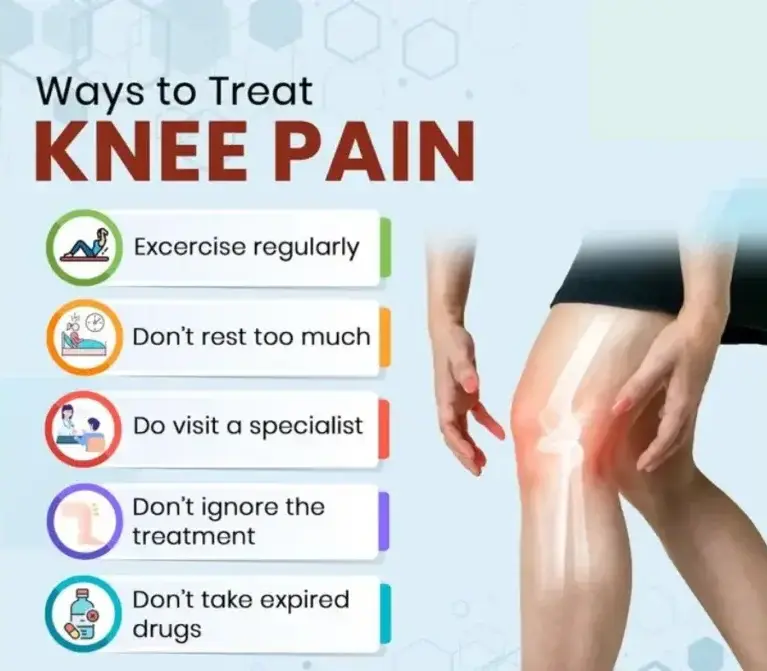
Exercise for Knee Pain
Knee pain is an issue for many people. When you are dealing with knee pain the best thing you can do is find some exercises that will make the muscles around your knee stronger. Knee pain can be really tough to handle. The muscles around your knee need to be strong so your knee can move easily. This way you do not put much stress on your knee. Knee pain will be less of a problem if the muscles, around your knee are strong.
When you want to make your knee stable you can try things like standing up and sitting down in a chair. Try doing squats with your back, against a wall. You can also try stepping up and down on a step. These knee exercises are helpful if you do the knee exercises the way and do not try to do too much too soon with your knee.
You should also think about stretching the calf and the back of your leg. This can be really helpful. Try bending your knee a bit that helps too. These exercises are good because they make your knee feel better. They make it more flexible. When your knee is more flexible it is easier to move during the day.
Knee pain exercises like these are an idea. They can really make your knee feel better. If you do these exercises every day and take care of your knee you will not have much knee pain. Knee pain will not be as big of a problem. Knee pain exercises are important, for your knee. If your knee pain is due to osteoarthritis, focus on low-impact routines such as stationary cycling, slow controlled walking on flat surfaces, and water exercises. Start with short sessions, increase slowly, and avoid movements that trigger sharp pain or swelling. When exercises are chosen based on your pain level and done consistently with proper technique, many people notice improved mobility, reduced stiffness, and better knee support over time.
Frequently Asked Questions
1) What is knee joint pain and how is it different from general knee pain?
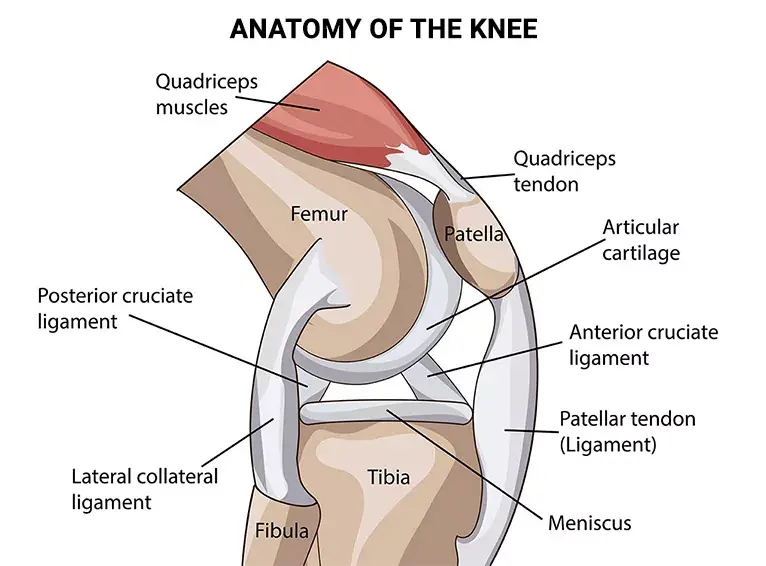
Knee joint pain is something that usually starts in the surfaces or the cartilage or the ligaments that are around the knee joint. Sometimes you can get knee pain and this kind of pain can also come from the muscles or the tendons or the nerves that are around the knee. Knee joint pain and general knee pain are both things that can really hurt. The knee joint is made up of a lot of parts, like the joint surfaces and the cartilage and the ligaments and the muscles and the tendons and the nerves. Knee pain can come from any of these parts.
2) What are the latest options for knee pain treatment in Jaipur?
People who have knee pain in Jaipur can get treatment. Knee pain treatment in Jaipur includes things like physiotherapy. They also use medications to help with knee pain. Sometimes knee pain treatment in Jaipur is about making lifestyle corrections. There are also procedures that are minimally invasive, like image-guided pain management for some patients, with knee pain.
3) What if the X-rays of my knee look normal can the knee pain still be treated?
Yes. You can have knee pain even if your X-rays look normal. This is because the problem might be with the tissue or the cartilage or the nerves, in your knee. To figure out what is really going on doctors use MRI scans. They also do a clinical evaluation of your knee. The knee pain is what they are trying to understand. Knee pain can be tricky to diagnose so the doctors have to do these tests to find out what is causing the knee pain.
4) Is knee pain common in young adults?
Yes. Knee pain is a problem for adults. This is because they get hurt playing sports or they use their knees much. Sometimes it is because they do not stand or sit up straight. Being overweight is also a reason, for knee pain. Sitting for a time and not moving around because they are looking at screens can also cause knee pain. Knee pain can affect adults in these ways.
5) How long does knee pain treatment usually take to show results?
So I want to know how long it takes for knee pain treatment to actually start working and show some results. How long do I have to wait for the knee pain treatment to really make a difference with my knee pain.
Relief from pain depends on what’s causing the pain. Some people will start to feel better within a weeks.. If you have a long-term condition, like arthritis you will probably need to keep getting treatment and see a doctor regularly to manage the arthritis and get follow-up care for the arthritis.
6) When is surgery not required for knee pain?
Surgery is not needed for knee pain in a lot of cases. Knee pain can be treated without surgery when the knee pain is not very bad. The doctor will tell you if you need surgery for your knee pain or if there are things you can try first.
For example the doctor might say that you can try exercise or physical therapy for your knee pain before you have surgery. Surgery is not always the answer for knee pain. You do not need surgery for knee pain if your knee pain is getting better, with kinds of treatment. The doctor will look at your knee pain. Decide if you need surgery for your knee pain or not.
Knee pain can be treated in ways and surgery is just one of them. People usually do not need surgery when they have arthritis or if they have mild injuries or if they have inflammation or if they have nerve related pain. The reason is that these conditions often get better with treatments that do not involve surgery or with treatments that’re minimally invasive like arthritis for example can be treated in other ways.
7) So what is the role of pain management when it comes to knee pain?
Pain management is really important for people who have knee pain. Knee joint pain can be very bad. It can stop people from doing things they want to do. Pain management for knee pain helps people feel better and it helps them get their life back to normal. The main goal of pain management, for knee pain is to reduce the pain and make it easier for people to move around. Knee joint pain is a problem and pain management is a big part of making it better.
Pain management is really helpful because it reduces the inflammation in our body. This helps us move around easily. We can also do our physiotherapy exercises better. Pain management is especially useful when the pain we have is stopping us from doing our activities. It allows us to participate in physiotherapy. That is very important, for getting better. Pain management helps us with pain so we can do the things we need to do every day.
8) Can knee pain return after treatment?
Knee pain can come back if you do not take care of the underlying causes like the weight you put on your knees or your posture or if your muscles are weak. You have to do exercises all the time and make changes to your lifestyle to keep your knees feeling good. Knee pain is a problem that can happen again if you do not fix the reasons for it like the way you stand or the weight you carry or if your knee muscles are weak. Regular exercises and changes, to your life help you keep your knee pain under control and make sure knee pain does not come back.
9) So people go to see Doctor Rakesh Kumar Kumawat when they have knee pain.
They do this because Doctor Rakesh Kumar Kumawat is a specialist who can help them with their knee pain. People trust Doctor Rakesh Kumar Kumawat to make their knee pain better.
Lots of people go to see Dr. Rakesh Kumar Kumawat when they have knee pain. They want to get some relief. Dr. Rakesh Kumar Kumawat is very good at helping people with knee pain because he knows a lot, about ways to manage pain. He uses techniques that do not require big surgeries. These techniques use images to guide him. This means he can help people with knee pain without making a cut. Dr. Rakesh Kumar Kumawat is experienced in these techniques.
To find the knee pain treatment in Jaipur you need to think about what is causing your knee pain.
You should consider what kind of knee pain treatment in Jaipur is available. Knee pain treatment in Jaipur can be very different depending on the doctor. So you need to find a doctor who can give you the knee pain treatment in Jaipur.
10) How do I choose the right knee pain treatment in Jaipur?
You should ask your doctor about the kinds of knee pain treatment in Jaipur. The doctor will tell you which knee pain treatment in Jaipur is best, for you.
The right treatment depends on accurate diagnosis, pain severity, activity level, and response to previous treatments. A personalized evaluation helps decide the best approach.